


Faecal incontinence means accidentally passing stool or being unable to control when you open your bowels. It can happen for several reasons, including changes in stool consistency, weakened muscles around the anus, nerve problems or damage following childbirth or surgery.
Pelvic floor exercises may help some people improve bowel control, but they are not suitable as the only treatment for every cause. Finding out what is behind the symptoms is an important first step.
At LIPO FREEZE 2U Ayr, we appreciate the value of providing simple, natural solutions to better health.
Pelvic floor exercises work the muscles that help support the bowel and control the passage of stool. When recommended after an assessment, regular practice may help improve muscle strength and coordination. The right exercises and routine will depend on the individual’s symptoms and ability to contract these muscles correctly.
Check out Our Treatment For Faecal incontinence here.
In this post, we discuss how pelvic floor exercises work, the benefits they offer, and how you can incorporate them into your routine to help you regain power and confidence.
Understanding the Pelvic Floor Muscles and Faecal Incontinence
The pelvic floor is a group of muscles and connective tissues at the bottom of the pelvis. They help support the pelvic organs and work with the muscles around the anus to control the release of stool.
If these muscles or the anal sphincter are not working properly, bowel control can become difficult. However, faecal incontinence can also have causes that are not corrected by strengthening exercises alone.
When pelvic floor muscles weaken—due to ageing, childbirth, surgery, or lifestyle factors—it becomes challenging to maintain bowel control, leading to faecal incontinence. Symptoms may include:
- Urgency to defecate.
- Inability to hold stool.
- Accidental leakage during physical activity.
Pelvic floor exercises may help improve muscle strength and control in some people. Whether they are appropriate depends on the cause of the leakage and an assessment of how well the muscles are working.
What Causes Faecal Incontinence?
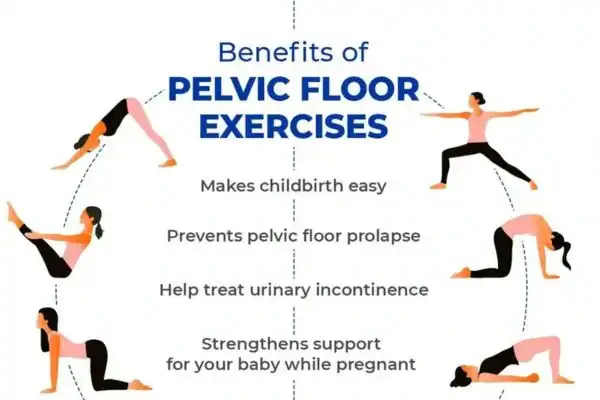
Faecal incontinence is characterised by a lack of control over defecation, which results in an involuntary loss of stool. Several factors can cause it, such as:
- Pelvic floor or anal sphincter weakness: These muscles may be affected by ageing, childbirth, injury or surgery.
- Nerve problems: Conditions such as diabetes, stroke or spinal injuries can affect the signals involved in bowel control.
- Constipation: A build-up of hard stool can sometimes cause liquid stool to leak around it.
- Diarrhoea: Loose or frequent stools can be harder to hold in, particularly when bowel control is already reduced.
The cause matters because treatment is not the same for everyone. For example, someone experiencing leakage because of diarrhoea or constipation may need help managing their bowel habits, while another person may benefit from supervised pelvic floor training.
How Pelvic Floor Exercises Help with Faecal Incontinence
Kegel exercises involve tightening and relaxing the pelvic floor muscles. When suitable, they can help improve the strength and coordination of the muscles involved in bowel control. A healthcare professional can assess whether they are appropriate and show you how to perform them correctly.
It directly aids in:
1. Enhancing Muscle Tone
Stronger pelvic floor muscles may provide better support and help improve control when passing stool.
2. Increasing Awareness and Control
Learning to contract and relax the correct muscles can help you develop better control of the pelvic floor. How to Treat Erectile Dysfunction Naturally: Top Remedies
3. Improving Nerve Function
Pelvic floor training can help improve how the muscles work together. It should not be described as repairing nerve damage or restoring nerve function.
4. Supporting Core Stability
Your pelvic floor muscles work with the muscles in your abdomen and back. They help support your body and play an important part in controlling bowel movements. Strengthening them may help with bowel control, but it does not replace a wider exercise routine.
The Connection Between Pelvic Floor Exercises and Physical Health
Pelvic floor exercises are widely considered a treatment for controllable incontinence but may also help improve sacroiliac joint pain. The better the strength of your pelvic floor, the healthier your core and when it comes to movement for everything you do in your daily life. Whether sedentary, walking, lifting or working out – Core strength begins at the pelvis.
When it comes to someone working to build bigger arms or upper body strength, a strong pelvic base means those physical movements come with better posture and a lower risk of injury. This is the power connection between all associated muscles activating these muscle systems holistically throughout this intricate system between the pelvic floor, abdominal and upper body. Our Urinary Incontinence Treatment can help.
Benefits of Pelvic Floor Exercises
When pelvic floor exercises are suitable, they may help with:
- Bowel control: Improving the muscles’ ability to help hold stool until you reach the toilet.
- Muscle coordination: Helping you learn when to tighten and when to relax the pelvic floor.
- Pelvic support: Supporting the muscles that work around the bowel and other pelvic organs.
- Confidence: Better control may make everyday activities easier for people whose symptoms improve with treatment.
These benefits of pelvic floor exercises are holistic, highlighting the importance of these key muscle groups for both medical and general fitness.
How to Perform Pelvic Floor Exercises
Pelvic floor exercises need to be performed correctly to be useful. If you have faecal incontinence, it is best to have a healthcare professional check that you can identify and contract the right muscles before starting a routine.
Identifying the pelvic floor muscles
One way to understand the muscles involved is to imagine trying to hold in wind. You should feel a gentle tightening around the back passage. Do not make a habit of stopping your urine flow to practise, as this is not a recommended exercise routine.
The basic exercise
If a healthcare professional has confirmed that these exercises are suitable:
- Sit or lie in a comfortable position.
- Gently tighten the muscles around your back passage, as if trying to hold in wind.
- Keep breathing normally and avoid tightening your stomach, thighs or buttocks.
- Relax the muscles fully after each contraction.
- Follow the number of repetitions and holding time recommended for you.
The strength and control of these muscles vary from person to person. A healthcare professional or pelvic health physiotherapist can help you build a suitable routine and check your progress.to enhance muscle activation.
Click Here: Effective Treatment Options for Overactive Bladder
The Importance of Consistency and Patience
You may need to practise for a while before noticing a difference. Some people find their bowel control improves after a few weeks, while others see little change from exercises alone. If you are not making progress, it is worth having your exercises checked rather than simply doing more of them.
To stay consistent:
- Set aside a regular time to practise the exercises recommended for you.
- Follow the routine agreed with your healthcare professional.
- Keep a note of any changes in leakage or bowel control.
The Role of Pelvic Floor Exercises In General Fitness
Interestingly, a stronger pelvic floor can help you with bowel and bladder control, but also beyond that. It combats the core that enables almost every physical activity and stops us from experiencing pain. Whether you are lifting weights, doing some yoga or using your own body weight, a good pelvic floor keeps your core working correctly.
When preventing or producing movements like push-ups, planks or lifting while building strength in the upper body and arms, you need your pelvis to stay stable. Without push, the body is unable to achieve equilibrium between force and counterforce, resulting in decreased core support, increased injury and reduced performance.
The real key to maximising your fitness potential comes from a well-working pelvic floor, this is where better movement patterns start, using better posture, control and efficiency throughout all states of movement.
Complementary Strategies for Better Results
Pelvic floor exercises are only one part of managing faecal incontinence. Diet, bowel habits and other changes may also help, depending on what is causing the symptoms. It is best to discuss these changes with a healthcare professional rather than making several adjustments at once.
Diet and Fibre Intake
The consistency of your stool can affect bowel control. A balanced diet and suitable fluid intake may help, but increasing fibre is not right for everyone. Keeping a food and symptom diary can help identify possible triggers. A healthcare professional can advise on dietary changes based on whether you experience constipation, diarrhoea or loose stools.
Mindful Bowel Habits
Try not to ignore the urge to open your bowels or strain excessively. Allow enough time when using the toilet and find a comfortable position. Sitting with your feet on a small footstool, so your knees are slightly higher than your hips, may help. If you regularly feel that your bowel has not emptied properly, mention this to your GP.
Physical Activity
A walk or another activity you enjoy can be a good way to stay active. There is no need to push yourself or take on strenuous exercise. If you have bowel leakage, remember that general physical activity does not necessarily address the cause.
Seeking Professional Support
Not sure whether you are squeezing the right muscles? You do not have to work it out on your own. Speak to your GP about seeing a pelvic health physiotherapist or a continence specialist. They can check how you are doing the exercises and show you what to change if needed. They can also discuss other treatments if the exercises are not helping.
When to Seek Professional Support
PFaecal incontinence can have several causes, so it is important to get medical advice rather than assuming that weak pelvic floor muscles are responsible.
Speak to your GP if you:
- Cannot identify or contract your pelvic floor muscles.
- Continue to experience leakage despite following the recommended exercises.
- Have pain or discomfort when doing the exercises.
- Notice a persistent change in your bowel habits.
- Experience ongoing diarrhoea or constipation.
- Are unsure which exercises are suitable for your symptoms.
Seek urgent medical advice if you have bloody diarrhoea or notice black or dark red stools.
Regaining Confidence and Quality of Life
Faecal incontinence can make everyday situations difficult, and many people feel uncomfortable discussing it. However, it is a recognised medical problem and help is available.
Pelvic floor exercises may improve bowel control for some people, but they are not the only option. Depending on the cause, treatment might also involve changes to bowel habits, dietary advice, medication or specialist care.
If leakage is affecting your confidence or making you avoid normal activities, tell your GP. You deserve support with both the physical symptoms and their effect on your daily life.
Looking for Help With Pelvic Floor Problems?
Faecal and urinary incontinence are different conditions, although both can involve the pelvic floor muscles.
Lipo Freeze 2U also offers LF2Sella for urinary incontinence. This is a separate treatment and should not be considered an established treatment for faecal incontinence.
If you are experiencing bowel leakage, speak to your GP about an assessment and the treatment options that may be suitable for you.
FAQs About Pelvic Floor Exercises Ayr, UK
Q: How soon will results from pelvic floor muscle exercises be felt?
There is no fixed timescale. Some people notice improvement after several weeks of regular practice, while others need longer. Progress depends on the cause of the leakage and whether the exercises are suitable and performed correctly. A pelvic health physiotherapist can help assess your progress.
Q: Can men do pelvic floor exercises?
Yes. Men can also experience faecal incontinence, and pelvic floor exercises may help when the muscles involved in bowel control are weak or poorly coordinated. An assessment can help establish whether these exercises are appropriate.
Q: How do pelvic floor exercises benefit those with faecal incontinence?
They can help improve the strength and coordination of the muscles involved in bowel control. For some people, this may make it easier to hold stool until they reach the toilet. However, exercises alone may not resolve symptoms caused by other conditions.
Q: Can doing Kegels make a difference in core strength?
The pelvic floor works alongside the abdominal and back muscles to support the pelvis and trunk. Kegel exercises specifically target the pelvic floor, however, and should not be treated as a complete core-strengthening programme.
Q: Are there other benefits to pelvic floor exercises?
Their main purpose is to improve pelvic floor muscle function. Depending on the individual, training may help with bowel control and other pelvic floor symptoms. The results depend on the underlying problem and the exercise programme being followed.
Q: What is a good exercise for the pelvic floor?
A gentle pelvic floor contraction is a common starting point. Imagine trying to hold in wind and gently tighten the muscles around your back passage. Then relax fully and continue breathing normally. Avoid tightening your stomach, thighs or buttocks. If you cannot identify the correct muscles, ask a pelvic health physiotherapist to check your technique.